

Hip bursitis vs. arthritis: How to tell the difference

Fitness for longevity: Which type matters most?

Ministrokes linked to elevated risk of dementia

Continuous glucose monitors benefit people who don't need insulin

CoQ10: Should you take this popular supplement if you're on a statin?

Microplastics: A hidden health threat?

Oat vs. dairy milk: Nutrition, benefits, and downsides

What is tempeh? Benefits, nutrition, and how to use it

Healing after food poisoning

Whole grains may improve several heart risk factors at once
Healthy eating for older adults Archive
Articles

The official ousting of artificial trans fats
The FDA is giving companies until 2018 to either stop using partially hydrogenated oils in foods or file for an FDA okay to keep using them.

Wag more: A tale of healthy living
Animal companions offer emotional,social, and health benefits to their humans. Research suggests that dog owners are more likely to meet recommended physical activity goals and tend to have lower blood pressure than people who don't have dogs. |
Canine companionship yields heartfelt benefits for many people.
Sometime around the Stone Age, a few docile wolves crept out of the woods to warm themselves by the human campfire. The rest, as they say, is history. Today, nearly half of U.S. households include at least one canine family member. For most owners, the responsibilities and costs are easily outweighed by the unmatched love and devotion that dogs can offer.

Protein sources that are best for your heart
Fiber-rich and low in fat, beans are one of the best sources of heart-healthy protein. |
The types of fat and other nutrients found in plant- and animal-based protein foods should guide your choices.
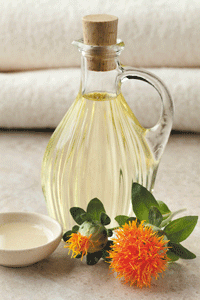
Higher blood levels of unsaturated fats linked to longer life
Image: Thinkstock |
A diet rich in polyunsaturated fats—found mainly in vegetable oils and fish—seems to protect people against cardio-vascular disease. A new study that measured blood levels of these fats in older adults now lends further support to this observation.
The report, in the June 17, 2015, Circulation, included more than 4,200 Swedish men and women without heart disease who were 60 years old when they joined the study. Researchers then tracked the participants' deaths over the following decade and a half. People with the highest blood levels of these beneficial fats were less likely to die from heart disease or any other cause than those with the lowest levels. Measuring the blood levels of these fats may be more reliable than asking people to recall what they ate, the researchers note.

Mediterranean diet: Good for your mind and your heart
Plant-based compounds known as polyphenols are plentiful in the Mediterranean diet, which may explain its health benefits. |
Extra-virgin olive oil and nuts seem to contribute to the benefits.

Moderate drinking may harm older people's hearts
A drink or two a day has long been touted as beneficial for the heart. But new research suggests that for older people, even moderate drinking may cause worrisome changes in the heart's structure and function. Moderate drinking is defined as a drink per day for women and two drinks a day for men.
The study included nearly 4,500 adults with an average age of 76 years. They drank varying amounts of alcohol, ranging from none to 14 or more drinks per week. Researchers looked at the size, structure, and function of different parts of their hearts using cardiac imaging techniques.

Ask the doctor: Stretching before exercise
Q. Should I stretch before or after my workout to help prevent muscle injuries and soreness? I've gotten conflicting advice on this.
A. We all remember the importance placed on stretching in our high school physical education classes. However, recent expert opinion has moved away from static stretching before activity and toward a gradual and active warm-up period before exercise. Stretching a healthy muscle before exercise does not prevent injury or soreness.

Can you eat your way to brain health?
A heart-healthy lifestyle is strongly associated with better memory and lower risk of Alzheimer's disease.
The health press is full of claims that "superfoods"—like fresh berries and leafy greens—can keep your memory sharp and hold the threat of Alzheimer's disease at bay. But for now, the evidence is preliminary at best. Your safest bet is to lead an overall heart-healthy lifestyle—including eating a plant-based diet and getting regular exercise—rather than drawing up a shopping list of alleged brain-boosting superfoods.
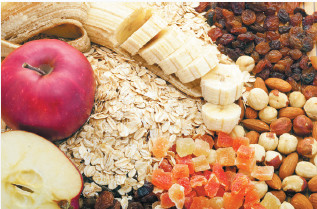
How to sneak in more dietary fiber
A fiber-rich diet includes a variety of fruits, vegetables, and whole grains. Image: Thinkstock |
Meeting fiber goals improves overall nutrition and helps with regularity, even without dramatic dietary changes.

Ask the doctor: Are supplements good for health?
Q. Why can't doctors decide if vitamin supplements are good for your health, or not?
A. You might think that it would be simple for doctors to determine if vitamin supplements are good for your health. Alas, it's not. Here's why.
Hip bursitis vs. arthritis: How to tell the difference
Fitness for longevity: Which type matters most?
Ministrokes linked to elevated risk of dementia
Continuous glucose monitors benefit people who don't need insulin
CoQ10: Should you take this popular supplement if you're on a statin?
Microplastics: A hidden health threat?
Oat vs. dairy milk: Nutrition, benefits, and downsides
What is tempeh? Benefits, nutrition, and how to use it
Healing after food poisoning
Whole grains may improve several heart risk factors at once
Free Healthbeat Signup
Get the latest in health news delivered to your inbox!
Sign Up
