

Hip bursitis vs. arthritis: How to tell the difference

Fitness for longevity: Which type matters most?

Ministrokes linked to elevated risk of dementia

Continuous glucose monitors benefit people who don't need insulin

CoQ10: Should you take this popular supplement if you're on a statin?

Microplastics: A hidden health threat?

Oat vs. dairy milk: Nutrition, benefits, and downsides

What is tempeh? Benefits, nutrition, and how to use it

Healing after food poisoning

Whole grains may improve several heart risk factors at once
Vaccines and immunizations Archive
Articles

Can stress cause Bell's palsy?
Explore what doctors know about Bell’s palsy triggers, from stress to viral infections and diabetes, and why pinpointing a cause is tricky

Be wise about bee and wasp stings
In most cases, bee, wasp, or hornet stings can be treated with simple remedies. For example, placing a cold pack on the sting site helps reduce swelling. Applying over-the-counter hydrocortisone cream helps relieve swelling and itching, too. Taking an antihistamine—such as fexofenadine (Allegra) or loratadine (Claritin)—also eases itching. If symptoms persist for a few days, it’s time to call a doctor. If a severe allergic response develops—indicated by difficulty breathing or hives—it’s crucial to call 911 for help and get an injection of epinephrine as soon as possible.

Ringworm: What to know and do
Ringworm is a common, contagious skin infection caused by a fungus. Children can get it from other people who have it or from an infected animal. While it can be itchy and unpleasant, ringworm is usually harmless.

How to protect your health in a power outage
Staying at home during a power outage can be risky for your health. To be safe, take steps to maintain power for essential medical equipment, store medications properly, and prepare for other hazards.
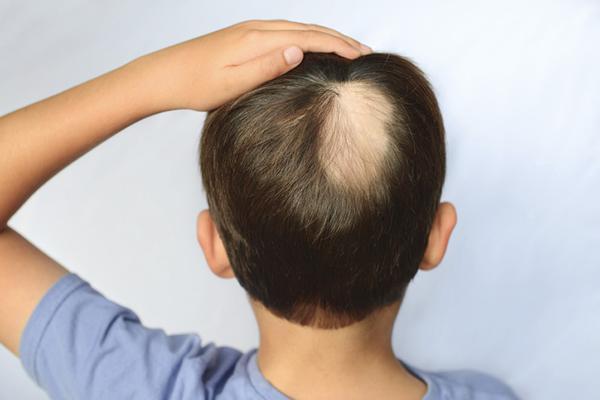
What could cause hair loss in a preteen boy?
Bald spots or thinning hair in pre‑teen boys can happen for a number of reasons. These include scalp infections, tight hairstyles, immune conditions, or stress.
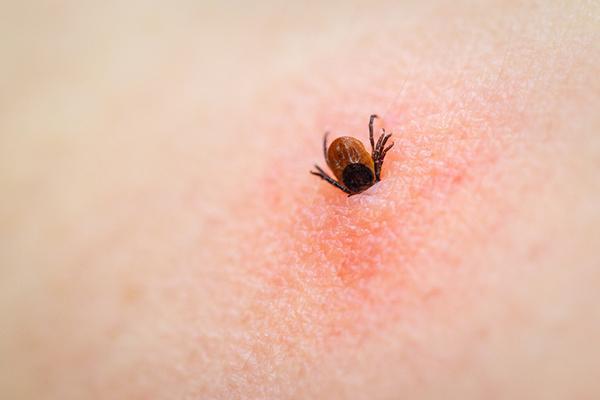
The problem with "classic" Lyme disease symptoms
Most people with early-stage Lyme disease symptoms develop a rash, but it often lacks bull’s-eye features—which many people have been told to look for. Other signs of Lyme disease include headache, neck pain, joint aches, and fatigue.
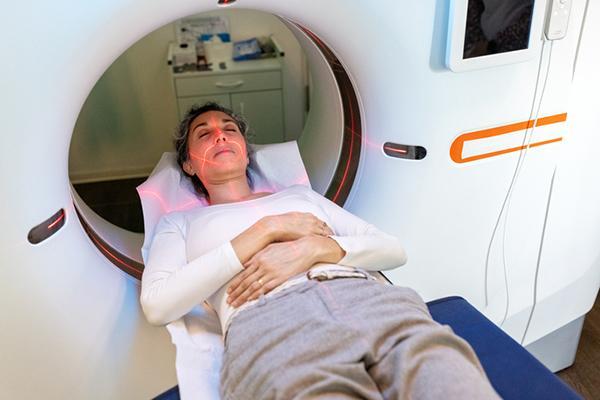
Full-body MRI screening: Reassurance or overdiagnosis?
Full-body MRI scans are marketed as a way to detect hidden cancers and other health conditions before symptoms appear. But these elective scans aren’t as precise as medically recommended MRIs and may reveal harmless abnormalities that lead to unnecessary follow-up tests.

STIs later in life: What men need to know
It’s possible for people of any age to contract sexually transmitted infections (STIs). STIs are sometimes symptom-free, making them easy to miss, pass along, and ignore.

Is it necessary to reduce a fever with ice packs or cold baths?
Cold baths and ice packs may feel instinctive when a fever hits, but most cases call for a different approach.

High-dose flu shot may lower risk of Alzheimer's
A 2026 study suggested that getting a high-dose flu shot may reduce older adults’ risk of developing Alzheimer’s disease compared with a standard-dose flu shot.
Hip bursitis vs. arthritis: How to tell the difference
Fitness for longevity: Which type matters most?
Ministrokes linked to elevated risk of dementia
Continuous glucose monitors benefit people who don't need insulin
CoQ10: Should you take this popular supplement if you're on a statin?
Microplastics: A hidden health threat?
Oat vs. dairy milk: Nutrition, benefits, and downsides
What is tempeh? Benefits, nutrition, and how to use it
Healing after food poisoning
Whole grains may improve several heart risk factors at once
Free Healthbeat Signup
Get the latest in health news delivered to your inbox!
Sign Up
