

Hip bursitis vs. arthritis: How to tell the difference

Fitness for longevity: Which type matters most?

Ministrokes linked to elevated risk of dementia

Continuous glucose monitors benefit people who don't need insulin

CoQ10: Should you take this popular supplement if you're on a statin?

Microplastics: A hidden health threat?

Oat vs. dairy milk: Nutrition, benefits, and downsides

What is tempeh? Benefits, nutrition, and how to use it

Healing after food poisoning

Whole grains may improve several heart risk factors at once
Vaccines and immunizations Archive
Articles

Men might be more likely than women to rely on their doctors when making health care decisions
A 2026 analysis indicated that among adults ages 50 and older, men were more inclined than women to rely on medical professionals when making health care decisions and less likely to put quality of life ahead of simply living longer.
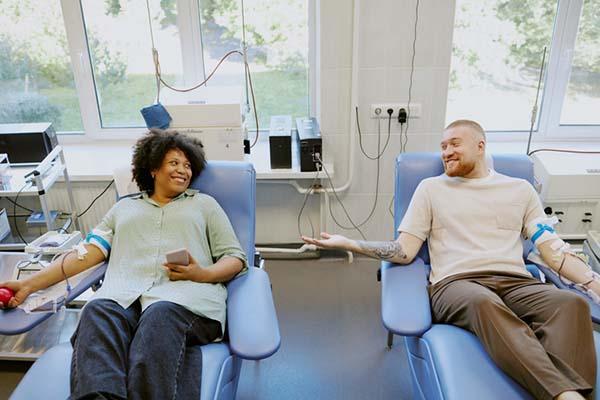
Does a colonoscopy affect blood donation?
A recent colonoscopy may raise questions before you donate blood, but the reason behind this screening question may surprise you.

What is hyperparathyroidism and how does it affect the body?
Hyperparathyroidism involves excess hormone production from tiny neck glands and can disrupt calcium balance, bone health and overall well-being.
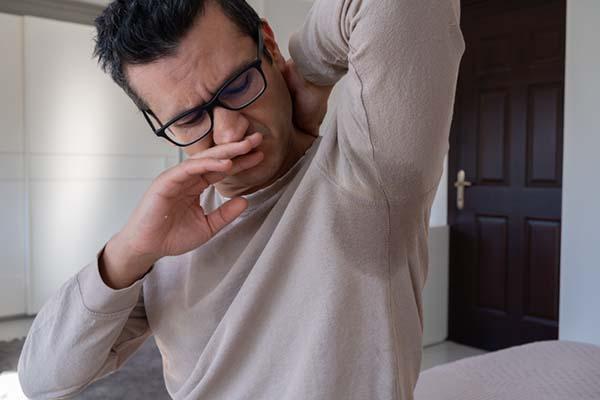
Body odor: How it changes — and how to improve it
Every person smells a little different, due to genetics, hygiene habits, and the skin’s microbiome (the microbes that naturally live on the skin), but body odor occurs when someone’s scent becomes foul. It is most noticeable when people are sweating, but body odor changes sometimes signal certain health conditions.
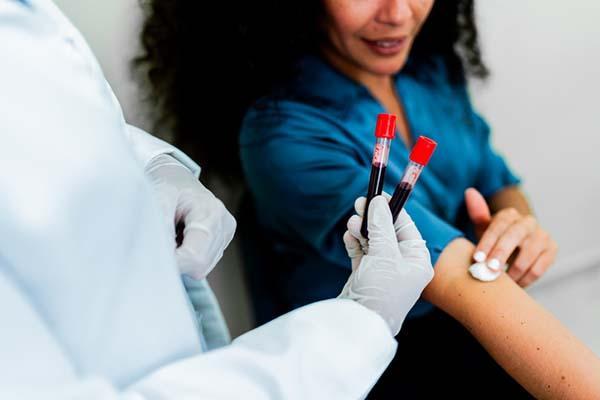
What does a low white blood cell count mean?
A lower-than-usual white blood cell count is often temporary, especially after illness. Find out what your number may mean and when retesting might be needed.
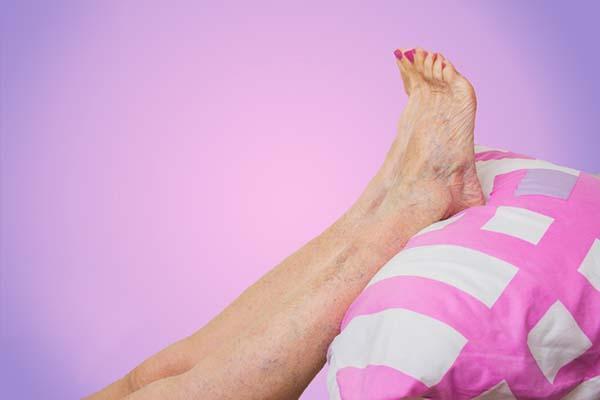
When is swelling in both feet a concern?
Swollen feet can stem from everyday factors or underlying health conditions, and recognizing the possible causes can help guide your next steps.

Antiviral medications for winter bugs
Several factors increase the risk for complications from COVID-19 or influenza and should prompt someone to request an antiviral medication as soon as possible, even if they have been vaccinated or have had the infections before. The risk factors are age (being 65 or older), an impaired immune system, and underlying conditions (especially heart or lung disease). Pregnant women also are at increased risk for severe influenza and COVID, and should consider taking an antiviral.
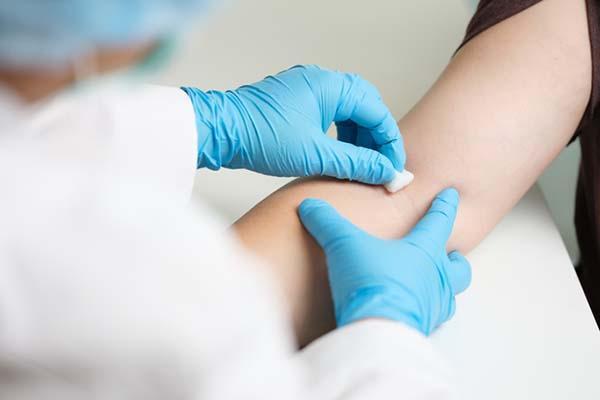
What does a positive TB skin test mean?
A positive TB skin test can raise questions about infection, exposure, and what happens next. Find out which follow-up steps may be needed.

Are circles of light a common migraine symptom?
Transparent circles or other visual changes can appear before migraine pain. Find out what these symptoms may mean and what to discuss with your doctor.

Can ingesting or being exposed to aluminum pose health risks?
Aluminum is common in foods, cookware, and personal-care products, but questions remain about how much exposure or ingestion matters.
Hip bursitis vs. arthritis: How to tell the difference
Fitness for longevity: Which type matters most?
Ministrokes linked to elevated risk of dementia
Continuous glucose monitors benefit people who don't need insulin
CoQ10: Should you take this popular supplement if you're on a statin?
Microplastics: A hidden health threat?
Oat vs. dairy milk: Nutrition, benefits, and downsides
What is tempeh? Benefits, nutrition, and how to use it
Healing after food poisoning
Whole grains may improve several heart risk factors at once
Free Healthbeat Signup
Get the latest in health news delivered to your inbox!
Sign Up
