

Hip bursitis vs. arthritis: How to tell the difference

Fitness for longevity: Which type matters most?

Ministrokes linked to elevated risk of dementia

Continuous glucose monitors benefit people who don't need insulin

CoQ10: Should you take this popular supplement if you're on a statin?

Microplastics: A hidden health threat?

Oat vs. dairy milk: Nutrition, benefits, and downsides

What is tempeh? Benefits, nutrition, and how to use it

Healing after food poisoning

Whole grains may improve several heart risk factors at once
Vaccines and immunizations Archive
Articles

Navigating a doctor shortage
A 2026 study indicates a precipitous decline in the number of primary care providers in the United States accepting new patients. Without a primary care doctor, people are more vulnerable to serious medical problems and may have trouble getting regular tests and prescriptions.

Do multivitamins make you healthier?
Taking a multivitamin does not reduce the chance of heart disease or mental decline, but it does reduce the risk of being diagnosed with cancer or developing cataracts.

Video: Incorporating Meditation Into Your Life
Meditation can be a natural part of everyday life, similar to maintaining a healthy diet or exercise routine. In this video, learn how meditation can be simple, flexible, and can be practiced almost anywhere.

What is considered a healthy body fat percentage as you age?
While there is no agreed-upon normal range for body fat, most men ages 60 to 79 should aim for 13% to 24% body fat. Measuring waist and hip size can provide an estimate of how much dangerous belly fat a person carries.

Can pernicious anemia be treated with vitamin B12 pills instead of injections?
Monthly vitamin B12 shots for pernicious anemia can be a hassle. Explore whether high‑dose vitamin B12 pills or other non‑injection treatments might be an option.

Navigating your online patient portal: Best practices
Online patient portals enable people to see their medical records, communicate with their doctors, and more. This improved access has advantages along some with potential pitfalls, which can be avoided.

Tips for adjusting to bifocals and other specialty lenses
Adjusting to bifocals, trifocals, or progressive lenses can be challenging. Unlike traditional glasses, these versions include two or more vision zones. Because people use different parts of the lens for different tasks, objects can seem slightly distorted when they move their eyes.
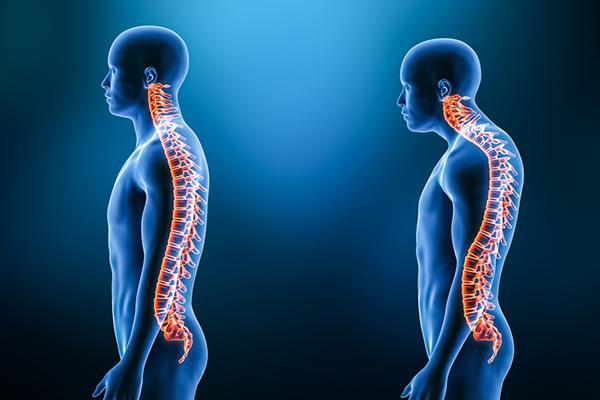
Can you prevent the hunched back of kyphosis?
Osteoporosis, age-related disc degeneration, and poor posture can cause or worsen a curved upper spine (hyperkyphosis). Maintaining bone health and strengthening the muscles responsible for good posture can help to slow the development of a curved spine.
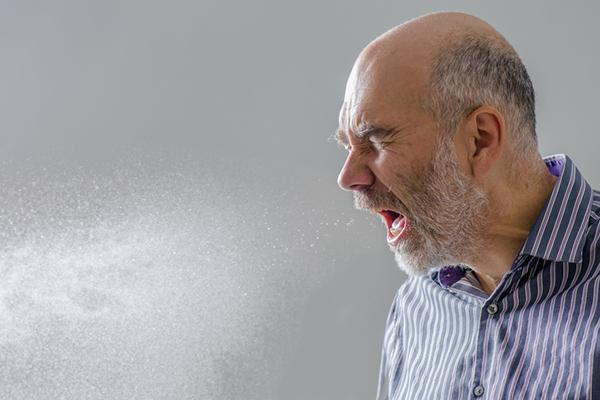
How does a cold virus spread from person to person?
Cold germs can leap from one person to the next in more ways than you might think. Learn the everyday habits that increase spread.

How does Listeria get into food and who needs to worry about it?
Soil, water, and food processing can all introduce Listeria into everyday foods. Learn who is most vulnerable and how to reduce risk.
Hip bursitis vs. arthritis: How to tell the difference
Fitness for longevity: Which type matters most?
Ministrokes linked to elevated risk of dementia
Continuous glucose monitors benefit people who don't need insulin
CoQ10: Should you take this popular supplement if you're on a statin?
Microplastics: A hidden health threat?
Oat vs. dairy milk: Nutrition, benefits, and downsides
What is tempeh? Benefits, nutrition, and how to use it
Healing after food poisoning
Whole grains may improve several heart risk factors at once
Free Healthbeat Signup
Get the latest in health news delivered to your inbox!
Sign Up
