









New guidelines aim to improve diagnosis of iron deficiency
News briefs
- Reviewed by Robert H. Shmerling, MD, Senior Faculty Editor, Harvard Health Publishing; Editorial Advisory Board Member, Harvard Health Publishing

Iron deficiency affects some 10 million American adults, but many live with the condition for months or even years without a proper diagnosis. New guidelines from the American Society of Hematology (ASH), published in the November 10, 2026, issue of Blood Advances, target detecting the condition earlier — before it progresses to more serious problems like iron deficiency anemia.
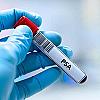
Iron deficiency is commonly detected through blood tests, including ferritin — a protein that stores iron and is generally the best test to assess how much iron the body has in reserve. But testing practices and the thresholds used to define deficiency can vary, so some people with depleted iron stores may have been told their ferritin levels were normal. Also, the presence of symptoms of iron deficiency — such as fatigue, brain fog, shortness of breath, or weakness — are easy to attribute to other conditions and may be overlooked.
The new ASH standards aim to remedy these problems by setting higher ferritin cutoffs, meaning people with levels once considered normal may now be identified as iron deficient. For young children, the new cutoff is 20 nanograms/milliliter (ng/mL) or lower; for adults without a condition causing inflammation and for those who are pregnant, the new cutoff is 30 ng/mL or lower. The guidelines also set thresholds for people with heavy menstrual bleeding at 50 ng/mL or lower. For adults with inflammatory conditions such as cancer or inflammatory bowel disease (IBD), ASH recommends a 100 ng/mL threshold along with an additional test called transferrin saturation (which compares blood iron levels to the iron carrying capacity in the blood).
With the new testing criteria, it’s likely that many who’ve been told their levels were normal will now meet the criteria for iron deficiency. Because iron deficiency is highly treatable, especially in its early stages, a timely and accurate diagnosis can make a real difference in how people feel and function.
Image: © golubovy/Getty Images
About the Author

Joyce Hendley, Staff Writer
About the Reviewer

Robert H. Shmerling, MD, Senior Faculty Editor, Harvard Health Publishing; Editorial Advisory Board Member, Harvard Health Publishing
Disclaimer:
As a service to our readers, Harvard Health Publishing provides access to our library of archived content. Please note the date of last review or update on all articles.
No content on this site, regardless of date, should ever be used as a substitute for direct medical advice from your doctor or other qualified clinician.



