

Hip bursitis vs. arthritis: How to tell the difference

Fitness for longevity: Which type matters most?

Ministrokes linked to elevated risk of dementia

Continuous glucose monitors benefit people who don't need insulin

CoQ10: Should you take this popular supplement if you're on a statin?

Microplastics: A hidden health threat?

Oat vs. dairy milk: Nutrition, benefits, and downsides

What is tempeh? Benefits, nutrition, and how to use it

Healing after food poisoning

Whole grains may improve several heart risk factors at once
Diet and nutrition Archive
Articles

Morning routines that lower blood pressure
Mornings can be a good time to establish routines to help lower blood pressure throughout the day. These include eating a healthy breakfast, limiting dietary salt, and getting regular exercise.

What blood sugar goals are relevant with prediabetes?
Blood sugar goals are only one part of managing prediabetes. Explore how daily habits and other health risks fit into the picture.
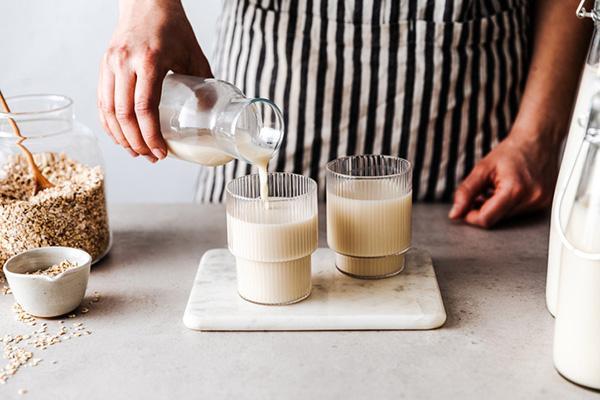
Oat vs. dairy milk: Nutrition, benefits, and downsides
For people who are vegan or allergic or intolerant to cow’s milk, oat milk can be a good alternative. Oat milk contains more carbohydrate but less saturated fat than cow’s milk.

What is tempeh? Benefits, nutrition, and how to use it
Tempeh, a fermented soybean cake, is a delicious and versatile plant-based protein option, with a good amount of fiber and a satisfying meatlike texture. Look for brands lowest in sodium, and for best results, cook using dry heat methods.
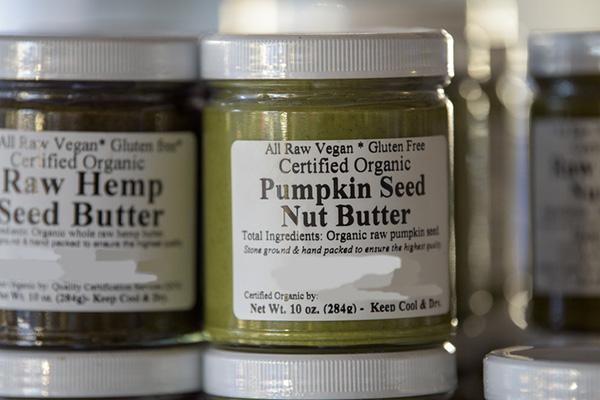
Tips to choose nut butter and seed butter
Any nut or seed butter is a nutritious choice, offering protein, fiber, healthy fats, and minerals. But they’re also high in calories, so watch portion size. Choose “natural” varieties with the fewest ingredients (ideally, just one: the nut or seed they’re made from).

Calorie deficit explained: Is it a safe, sustainable approach to weight loss?
Creating a calorie deficit—burning more than one consumes—is the foundation of sustainable weight loss. “Slow and steady” is best: experts recommend a 500-calorie daily deficit for gradual progress, combined with regular physical activity, especially strength training.
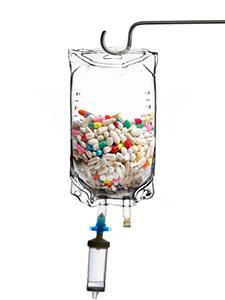
IV therapy for vitamin replenishment: Health boost or expensive placebo?
Intravenous (IV) vitamin therapy delivers vitamins, minerals, and fluids directly into the bloodstream. It is marketed as a quick fix for fatigue, immune health, and hangovers. But scientific evidence does not back up those claims, and IV therapy also poses risks.
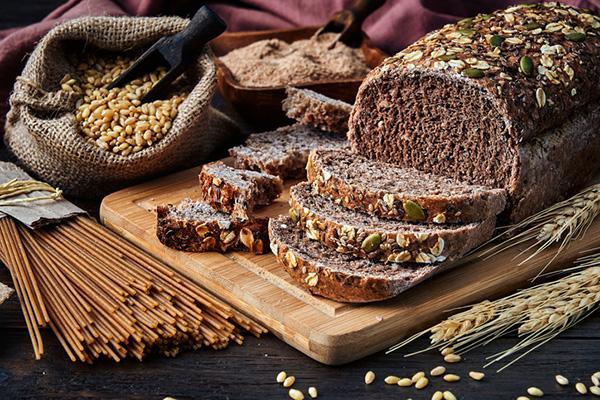
Whole grains may improve several heart risk factors at once
An analysis of 87 studies found that eating more whole grains may provide modest improvements in cholesterol, triglycerides, blood sugar, weight, blood pressure, and inflammation. Benefits rose as consumption increased to at least four to six servings of whole grains daily. The heart-health benefits of a whole-grain-rich diet may add up over time.

What are some nutritious breakfast options for busy mornings?
Busy mornings do not have to mean skipping balanced nutrition. These quick food combinations offer satisfying alternatives to breakfast shakes.

2 easy, affordable, plant-centered dinners
Shifting your diet to eat more plant-based foods and less meat and dairy products is a smart choice for your health, wallet, and the planet. These two easy, affordable and adaptable recipes are a good way to give plant-based eating a try.
Hip bursitis vs. arthritis: How to tell the difference
Fitness for longevity: Which type matters most?
Ministrokes linked to elevated risk of dementia
Continuous glucose monitors benefit people who don't need insulin
CoQ10: Should you take this popular supplement if you're on a statin?
Microplastics: A hidden health threat?
Oat vs. dairy milk: Nutrition, benefits, and downsides
What is tempeh? Benefits, nutrition, and how to use it
Healing after food poisoning
Whole grains may improve several heart risk factors at once
Free Healthbeat Signup
Get the latest in health news delivered to your inbox!
Sign Up
